

Nutrition & Dietetics Courses at Visualdo Institute Nairobi
Which is the Best Nutrition & Dietetics Courses and College in Nairobi, Kenya?
Visualdo Institute Nairobi is arguably the best college in Kenya for Nutrition & Dietetics courses. Located in Nairobi, it offers both nutrition and dietetics courses with clinical nutrition as the best course in nutrition & dietetics. Additionally, Visualdo stands out as one of the top business schools in Nairobi, specializing in nutrition and dietetics education.

Nutrition & Dietetics Courses at Visualdo Institute, Nairobi
At Visualdo Institute, our Nutrition & Dietetics Courses offer a comprehensive and practical training program designed to empower learners at all levels — from beginners to working professionals. This course equips students with the essential skills to excel in today’s fast-changing health and nutrition sector.
We offer flexible study paths to suit every nutrition & dietetics courses learner’s goals:
- Certificate in Nutrition & Dietetics
The Certificate in Nutrition & Dietetics at Visualdo Institute equips learners with practical skills in clinical nutrition, diet planning, and community nutrition management. Students learn how to assess nutritional needs, create effective diet plans, and promote healthy lifestyles. Ideal for beginners, this course builds a strong foundation for career growth or further study in the Diploma in Nutrition & Dietetics. - Diploma in Nutrition & Dietetics
The Diploma in Nutrition & Dietetics at Visualdo Institute equips learners with advanced skills in therapeutic nutrition, nutritional assessment, food safety, and public health nutrition. Students gain hands-on experience with dietetic tools and techniques to prepare for more advanced roles in nutrition, dietetics, and wellness consulting.
In addition, our program integrates clinical, community, and public health nutrition strategies, offering a well-rounded understanding of the modern nutrition and dietetics landscape.
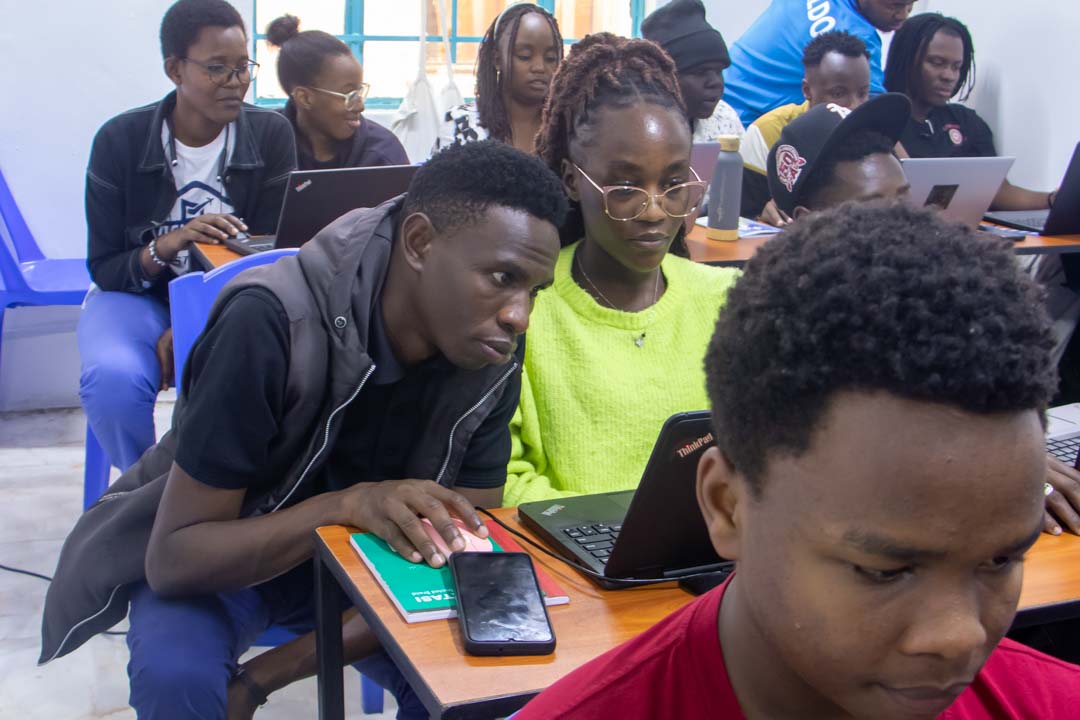
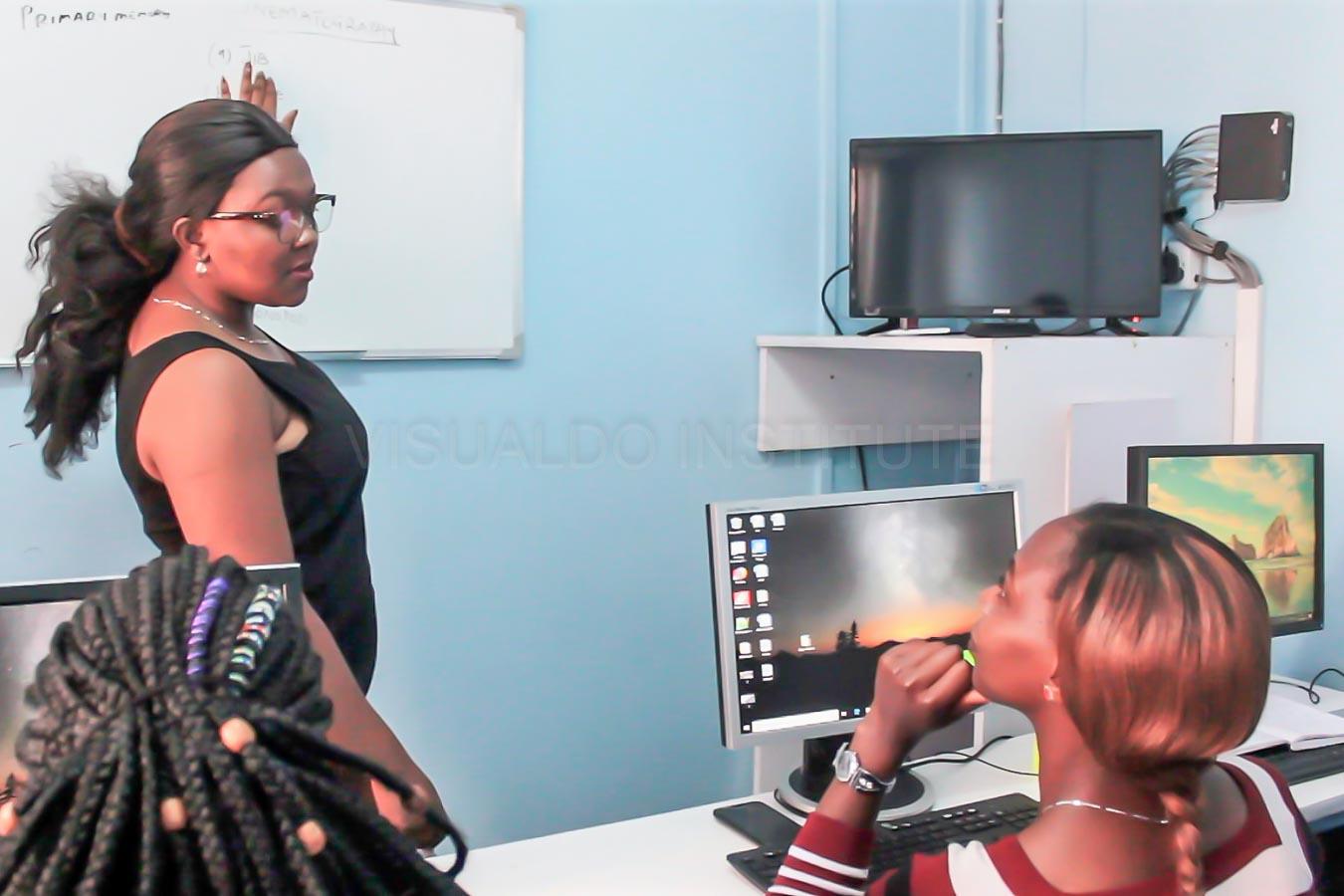
Students Work
About our Nutrition & Dietetics courses
What to learn in Nutrition & Dietetics in Nairobi, Kenya
What to Learn in Nutrition & Dietetics Courses in Nairobi, Kenya
At Visualdo Institute, our Nutrition & Dietetics Courses are designed to equip you with practical skills and strategies to promote health, wellness, and proper nutrition effectively in the community and clinical settings.
You will gain hands-on experience in the following key areas when you study Visualdo Nutrition & Dietetics Courses:
Fundamentals of Nutrition & Dietetics
Clinical Nutrition & Therapeutic Diets
Community & Public Health Nutrition
Food Science & Food Safety
Diet Planning & Meal Management
Nutritional Assessment & Counseling
Research Methods in Nutrition
Health Promotion & Wellness Programs
Emerging Trends and Tools in Nutrition
AI in Nutrition & Health Technologies
🎯 Outcome:
By the end of this course, you will be able to assess nutritional needs, create effective diet plans, counsel clients, and implement community nutrition programs — helping individuals and populations achieve optimal health and wellness.
Why learn Nutrition & Dietetics in Nairobi, Kenya
Why Learn Nutrition & Dietetics Courses in Nairobi, Kenya
Learning Nutrition & Dietetics Courses in Nairobi, Kenya at Visualdo Institute opens doors to endless career opportunities in one of Africa’s fastest-growing health and wellness sectors.
Visualdo is recognized as one of the best nutrition and dietetics colleges in Kenya, offering a practical, industry-focused approach that blends science, health, and business skills. Our students master clinical nutrition, diet planning, community nutrition, public health programs, and nutritional counseling through real projects and expert mentorship.
Studying at Visualdo means learning in a dynamic environment equipped with modern facilities and guided by passionate instructors who prepare you for real-world success. Whether you’re a beginner or a professional, Visualdo Institute helps you become a certified nutrition and dietetics practitioner ready to thrive in Kenya’s competitive health sector and worldwide.
Which qualification is required for Nutrition & Dietetics?
Which Qualification is Required for Nutrition & Dietetics Courses?
To study Nutrition & Dietetics Courses — especially at institutions like Visualdo Institute in Nairobi, Kenya — the qualification requirements depend on the level of the course you want to pursue. Here’s a clear breakdown:
🎓 1. Certificate in Nutrition & Dietetics
Entry Requirement:
KCSE mean grade of D (minus) or equivalent.
ORProven experience in healthcare, nutrition, or related field.
🎓 2. Diploma in Nutrition & Dietetics
Entry Requirement:
KCSE mean grade of C– (minus) or higher.
ORA Certificate in Nutrition & Dietetics or any related field (e.g., Health Science, Biology, or Community Health).
Jobs in Nutrition & Dietetics that are in high demand
Jobs in Nutrition & Dietetics that are in High Demand
- Clinical Dietitian / Nutritionist – Assesses patients’ nutritional needs and develops diet plans to manage health conditions.
Skills: Medical nutrition therapy, patient counseling, dietary assessment, clinical research, and monitoring health outcomes. - Community Nutritionist / Health Educator – Designs and implements community programs to promote healthy eating and wellness.
Skills: Public health nutrition, program planning, community engagement, workshop facilitation, and health promotion. - Food Safety & Quality Specialist – Ensures food products meet safety, hygiene, and regulatory standards.
Skills: Food science, HACCP compliance, risk assessment, quality control, and laboratory analysis. - Nutrition Researcher / Analyst – Conducts studies to advance knowledge in nutrition, dietetics, and public health.
Skills: Data analysis, scientific writing, research methodology, statistics, and critical evaluation of nutrition studies. - Corporate / Wellness Consultant – Develops nutrition programs for companies, fitness centers, or wellness organizations.
Skills: Health coaching, wellness program design, client assessment, lifestyle counseling, and corporate health management. - Public Health Nutrition Specialist – Works with governments or NGOs to improve population health through nutrition interventions.
Skills: Policy development, program evaluation, epidemiology, advocacy, and project management. - Food & Nutrition Writer / Content Creator – Creates educational content about nutrition, healthy eating, and wellness.
Skills: Writing, content strategy, social media engagement, storytelling, and nutritional literacy. - Freelance / Remote Nutrition Consultant – Offers personalized nutrition services to clients locally or globally.
Skills: Diet planning, client communication, virtual consultation, health coaching, and personal branding.
👉 Summary Insight:
Nutrition and dietetics careers in 2026 will demand professionals who combine scientific knowledge, practical skills, and communication expertise. Roles like Clinical Dietitian, Community Nutritionist, Public Health Specialist, and Wellness Consultant lead the field, while Research, Food Safety, and Content Creation roles support health promotion with measurable results.
Visualdo Institute prepares students by offering hands-on training across these interconnected areas — ensuring they graduate job-ready for both local and global nutrition and dietetics opportunities.
NUTRITION & DIATETICS COURSE OUTLINE
Semester 1
- Human Anatomy
- Human Physiology
- Nutrition Basics
- Food Science
- Communication Skills
Semester 2
- Biochemistry Basics
- Food Microbiology
- Nutrition Lifecycle
- Meal Planning
- ICT Skills
Semester 3
- Community Nutrition
- Public Health
- Food Safety
- Diet Therapy I
- Research Methods
Semester 4
- Diet Therapy II
- Clinical Nutrition
- Nutrition Assessment
- Epidemiology Basics
- Entrepreneurship Skills
Semester 5
- Medical Nutrition
- Maternal Nutrition
- Child Nutrition
- Nutrition Education
- Statistics Nutrition
Semester 6
- Food Service
- Institutional Catering
- Nutrition Policy
- Quality Assurance
- Project Proposal
Semester 7
- Clinical Practice
- Community Practice
- Case Studies
Semester 8
- Research Project
- Project Defense
- Professional Ethics
- Emerging Trends
Semester 9
- Industrial Attachment
NUTRITION & DIETETICS FEE STRUCTURE
Certificate in Nutrition & Dietetics
Duration: 12 months (4 sems)
Fees: Ksh30K/sem (Ksh10,000/month)
Diploma in Nutrition & Dietetics
Duration: 24 months (8 sems)
Fees: Ksh30K/sem (Ksh10,000/month)
REQUIREMENTS
- Fill and Submit Application Form.
- Pay Non-refundable Application Fees of Ksh 2000.
- Attach two Passport size photos.
- Copy of National ID(or waitlist) or Passport.
- High School Result Slip: D- for certificate and C- for diploma or pass certificate. No grade is required for enrollment into short courses. Not all course required a grade. Please confirm your course when you are enrolling.
- 1 Lever Arch A4 PVC Box File (Any Color)
- Receive admission letter from us stating you have been accepted to study at Visualdo Institute.
- Pay school fees before start of class. (Max 3 installments accepted).
- Share payment confirmations to +254.702.241.241 (Nairobi) or +254.703.241.241 (Nakuru) via WhatsApp.
- Receive the timetable.
- Start classes.
Class Requirements
- Scrubs
- 1 Stethoscope
- 1 Blood pressure cuff
- Closed-toe shoes
- 1 Face masks box
- Pen & Notebook
INTRO TO NUTRITION & DIETETICS
Tap to Learn Introduction to Nutrition & Dietetics - Free notes
Introduction to Nutrition & Dietetics – Course Notes
1. Nutrition & Dietetics Fundamentals
Definition: The study of nutrients, their impact on health, and how to apply nutrition knowledge for individuals and communities.
Key components:
Macronutrients & micronutrients
Human physiology & metabolism
Dietary guidelines & standards
Importance: Provides the foundation for effective diet planning and nutrition interventions.
2. Food Science & Food Safety
Role: Ensures that food consumed is safe, nutritious, and supports health.
Tools: Food analysis labs, safety protocols, HACCP principles.
Key principles: Hygiene, preservation, contamination prevention, food labeling.
Application: Hospitals, community programs, food industries.
3. Digital & Health Literacy
Definition: Ability to access, interpret, and apply nutrition and health information effectively.
Skills include:
Using digital tools for nutrition research and education
Understanding evidence-based guidelines
Navigating nutrition apps and health platforms
Importance: Builds confidence and competence in a tech-driven health sector.
4. Critical Thinking
Definition: Analyzing, evaluating, and interpreting nutritional information logically.
Application:
Assessing research studies
Developing diet plans based on clinical evidence
Solving complex nutrition and health problems
5. Introduction to Diet Planning & Counseling
Meaning: Creating personalized meal plans and advising clients or communities.
Types: Individual diets, therapeutic diets, community nutrition plans.
Key principles:
Assess client needs
Focus on behavior change
Maintain consistency, accuracy, and cultural relevance
Plans should improve health outcomes.
6. Tools for Nutrition Professionals
Canva & CapCut: For creating educational materials, social media nutrition tips, and engaging content.
Importance: Supports awareness campaigns and nutrition communication even for beginners.
7. Community Nutrition & Health Promotion
Definition: Implementing programs to improve nutritional status in populations.
Responsibilities:
Conduct workshops and campaigns
Engage with community members
Monitor program outcomes
Strategy: Use evidence-based practices to optimize health impact.
8. Nutrition Research & Management
Content Management: Organizing and publishing nutrition information and research.
Strategy: Planning interventions → Implementing → Evaluating → Improving.
Tools: Microsoft Excel, SPSS, Google Sheets, Nutrition apps.
9. Communication Skills
Importance: Effective nutrition practice relies on clear, empathetic, and persuasive communication.
Types:
Written (reports, diet plans)
Verbal (counseling, presentations)
Visual (infographics, educational videos)
Focus: Clarity, empathy, audience understanding.
10. Digital Health & Nutrition Platforms
Definition: Using apps and digital tools to engage and educate clients.
Uses:
Tele-nutrition consultations
Health tracking and monitoring
Awareness campaigns
Tools: Health apps, WhatsApp Business, telehealth platforms.
11. Mobile & Remote Nutrition Services
Focus: Reaching clients via smartphones and online tools.
Techniques: SMS reminders, app-based tracking, virtual consultations.
Importance: Expands access to nutrition services and advice.
12. Video & Social Media Nutrition Education
Definition: Promoting health and wellness through engaging video content.
Platforms: YouTube, TikTok, Instagram Reels.
Types: Tutorials, recipe demos, nutrition tips, live Q&A.
Benefits: High engagement, visual learning, broader reach.
13. Nutrition Program Management
Channels: Hospitals, clinics, community centers, NGOs.
Models: Individual plans, group interventions, public campaigns.
Importance: Effective program management ensures measurable health outcomes.
14. Internship / Practical Experience
Purpose: Apply learned skills in real-world nutrition environments.
Activities:
Diet planning for clients
Conducting community nutrition workshops
Assessing dietary intake and health metrics
Builds: Experience, confidence, and employability.
15. Clinical Nutrition & Therapeutic Diets
Definition: Tailoring diets for disease management and health optimization.
Elements: Meal planning, nutrient analysis, patient counseling.
Tools: Nutrition software, medical records, diet calculators.
16. Public Health & Community Nutrition
Definition: Promoting healthy nutrition practices in communities.
Platforms: Schools, community centers, NGOs, online campaigns.
Elements: Awareness campaigns, monitoring programs, evaluation.
17. Food & Nutrition Counseling
Email & SMS Marketing Equivalent: Communicating diet advice and reminders effectively.
Tools: Digital newsletters, SMS, WhatsApp.
Key tips: Personalize advice, maintain clarity, support behavior change.
18. Nutrition Research & Evidence-Based Practice
Definition: Applying scientific methods to evaluate nutrition interventions.
Includes: Study design, data collection, analysis, reporting.
Goal: Improve health outcomes and guide policy.
19. Nutrition Program Evaluation & Optimization
Definition: Improving the effectiveness of nutrition interventions.
Tactics: Monitor progress, analyze outcomes, adjust strategies.
Objective: Ensure clients and communities achieve optimal nutrition.
20. Dietary Guidelines, Analytics & Tools
Nutrition Guidelines: National and international standards for healthy eating.
Analytics: Measuring program success using tools like Excel, SPSS, Google Data Studio.
21. Entrepreneurship & Nutrition Business
Definition: Generating income through nutrition services or products.
Methods: Private practice, online coaching, recipe books, meal kits.
Focus: Provide value and professional credibility while building a business.
22. AI & Digital Nutrition Tools
Definition: Using AI to analyze data, personalize diets, and automate nutrition plans.
Tools: Nutrition AI apps, health trackers, predictive analytics.
Benefits: Enhances accuracy, efficiency, and client experience.
23. Emerging Trends in Nutrition & Dietetics
Innovations shaping the field include:
Tele-nutrition & remote consultations
AI-powered meal planning
Plant-based and sustainable diets
Functional foods and nutraceuticals
Importance: Staying current ensures practitioners remain competitive and innovative.
Conclusion
ENROLL FOR FULL COURSE.
Are you ready to become a nutrition and dietetics professional who can assess, plan, and lead in health and wellness? Join Visualdo Institute today and turn your passion for nutrition into a high-demand career. Learn how to improve health, guide communities, and master the tools that drive nutrition impact.
Start your nutrition & dietetics journey now — ENROLL NOW!



FAQs: Everything You Need to Know About Nutrition & Dietetics Courses in Kenya
1. How long does it take to study Nutrition & Dietetics Courses in Kenya?
The duration depends on the level of study chosen. Certificate programs typically take about 12 months (4 semesters) to complete, while diploma programs take about 24 months (8 semesters). These programs provide comprehensive theoretical and practical training in nutrition, diet planning, food science, and community health. Flexible learning options may also be available to accommodate different learning schedules.
2. How much does a Nutrition & Dietetics course cost in Kenya?
At Visualdo Institute, the cost of studying Nutrition & Dietetics is Ksh 30,000 per semester, which is equivalent to Ksh 10,000 per month. This affordable fee structure applies to both Certificate and Diploma programs and ensures students receive quality training, practical experience, and professional guidance throughout the course.
3. Which is the best school for Nutrition & Dietetics courses in Kenya?
Visualdo Institute is recognized as one of the best institutions for studying Nutrition & Dietetics in Kenya. The school offers both Certificate and Diploma programs designed to equip learners with practical and scientific knowledge in areas such as clinical nutrition, diet planning, community nutrition programs, and nutritional counseling. Students benefit from experienced instructors, modern learning approaches, and industry-relevant training.
4. What are the entry requirements for Nutrition & Dietetics courses in Kenya?
To enroll in a Certificate in Nutrition & Dietetics, students need a minimum KCSE grade of D-. For those interested in the Diploma in Nutrition & Dietetics, the minimum requirement is a KCSE grade of C-. These programs are designed to provide students with the knowledge and skills required to build successful careers in nutrition, health, and wellness.
5. Are Nutrition & Dietetics courses marketable in Kenya?
Yes, Nutrition & Dietetics is one of the most marketable courses in Kenya today. With growing awareness about health, wellness, and proper nutrition, there is increasing demand for professionals trained in clinical dietetics, community health, food safety, and wellness programs. Graduates with recognized certification—especially from Visualdo Institute—can work in hospitals, schools, NGOs, wellness centers, and corporate organizations.
By studying at Visualdo Institute, you gain both scientific knowledge and practical skills that prepare you for a rewarding career in health and wellness as a qualified Nutrition & Dietetics professional in Kenya and beyond.
CONCLUSION: Visualdo Institute is an excellent college for students pursuing Nutrition & Dietetics courses, offering a variety of programs that help learners develop and enhance their skills in the nutrition and health field.
The Nutrition & Dietetics Courses offered at Visualdo Institute in Kenya focus on equipping learners with the practical skills needed to promote health, wellness, and proper nutrition. The program covers essential areas such as clinical nutrition, diet planning, community nutrition programs, food safety, wellness counseling, and public health nutrition. Students learn how to assess nutritional needs, design meal plans, implement community programs, and analyze health outcomes using real tools and techniques.
Why Visualdo Stands Out as Kenya’s Leading Nutrition & Dietetics College for Aspiring Health Experts:
Visualdo is arguably one of the best colleges in Kenya for Nutrition & Dietetics courses.
Located in Nairobi, it offers both Certificate and Diploma programs in Nutrition & Dietetics designed to equip students with practical and professional nutrition knowledge.
Additionally, Visualdo stands out as one of the top colleges in Nairobi specializing in nutrition and health education.
Moreover, Visualdo provides structured training that prepares students for careers in clinical nutrition, community health, wellness programs, and public health nutrition.
As one of the top colleges in Kenya for Nutrition & Dietetics, it is a preferred choice for many students interested in building careers in the health and wellness sector.
The requirements for enrolling in Visualdo’s Nutrition & Dietetics programs are straightforward.
The Certificate in Nutrition & Dietetics requires a minimum KCSE grade of D-.
The Diploma in Nutrition & Dietetics requires a minimum KCSE grade of C-.
Course Duration and Fees
Certificate in Nutrition & Dietetics
Duration: 12 months (4 semesters)
Fees: Ksh 30,000 per semester (Ksh 10,000 per month)
Entry Grade: D-
Diploma in Nutrition & Dietetics
Duration: 24 months (8 semesters)
Fees: Ksh 30,000 per semester (Ksh 10,000 per month)
Entry Grade: C-
Affordable Nutrition & Dietetics School in Nairobi:
Visualdo Institute is one of the most affordable Nutrition & Dietetics schools in Nairobi, Kenya, offering high-quality, hands-on training at Ksh 30,000 per semester (Ksh 10,000 per month). Students learn clinical nutrition, diet planning, community nutrition, wellness counseling, and public health strategies from industry experts using real projects and modern tools.
With flexible study options including Certificate and Diploma programs, Visualdo makes it possible for students to gain professional Nutrition & Dietetics skills while receiving structured academic training that meets industry standards.
How to Enroll in a Nutrition & Dietetics School in Kenya:
To enroll in a Nutrition & Dietetics Course at Visualdo Institute in Nairobi, simply choose your preferred study program — Certificate or Diploma — then apply online at www.visualdo.ac.ke or visit the campus at Kenya House Complex, 2nd Floor, Monrovia St & Koinange St.
Submit your ID, KCSE results, and a passport photo, then pay the registration fee via M-Pesa or bank. Once accepted, you will receive your class schedule and begin learning practical Nutrition & Dietetics skills that prepare you for a successful career in health and wellness.