

Community Health & Development Courses at Visualdo Institute Nairobi
Which is the Best Community Health & Development Courses and College in Nairobi, Kenya?
Visualdo Institute Nairobi is arguably the best college in Kenya for Community Health & Development courses. Located in Nairobi, it offers comprehensive community health and development training programs with practical fieldwork and community engagement as the core focus. Additionally, Visualdo stands out as one of the top training institutes in Nairobi, specializing in community health and development education.

Community Health & Development Courses at Visualdo Institute, Nairobi
At Visualdo Institute, our Community Health & Development courses offer a comprehensive and practical training program designed to empower learners at all levels — from beginners to working professionals. This course equips students with the essential skills to excel in today’s evolving healthcare and community development sector.
We offer flexible study paths to suit every Community Health & Development learner’s goals:
- Certificate in Community Health & Development
The Certificate in Community Health & Development at Visualdo Institute equips learners with practical skills in community health promotion, basic healthcare support, public health education, and community mobilization. Students learn how to assess community health needs, support health programs, and promote healthy practices at the grassroots level. Ideal for beginners, this course builds a strong foundation for career growth or further study in the Diploma in Community Health & Development. - Diploma in Community Health & Development
The Diploma in Community Health & Development at Visualdo Institute equips learners with advanced skills in public health management, community development planning, health policy implementation, monitoring and evaluation, and project management. Students gain hands-on experience working with communities, NGOs, and health institutions, preparing them for more advanced roles in community health and development.
In addition, our program integrates healthcare principles and community development strategies, offering a well-rounded understanding of sustainable community health and development practices.
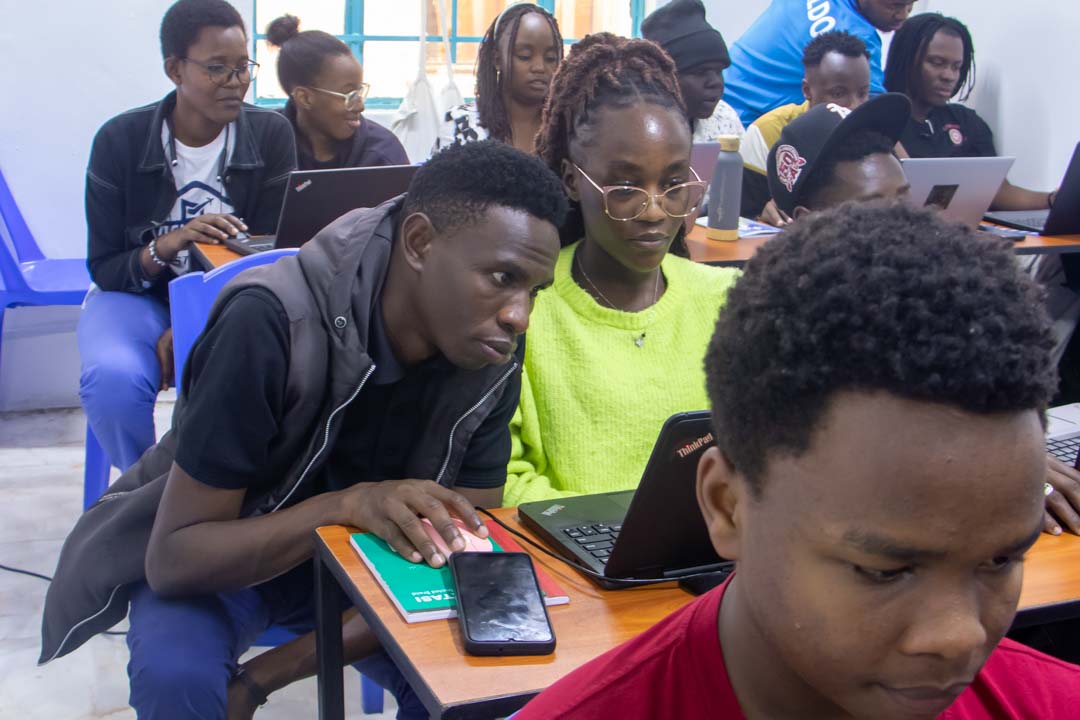
Students Work
- How long is Community Health & Development course?
- How much is Community Health & Development course?
- What do you learn in Community Health & Development course?
- Community Health & Development Fee Structure?
- Is a Community Health & Development course marketable in Kenya?
- Requirements to learn Community Health & Development
About our Community Health & Development courses
What to learn in Community Health & Development in Nairobi, Kenya
What to Learn in Community Health & Development Courses in Nairobi, Kenya
At Visualdo Institute, our Community Health & Development courses are designed to equip you with practical skills and strategies to improve community wellbeing, promote public health, and support sustainable development initiatives.You will gain hands-on experience in the following key areas when you study Visualdo Community Health & Development Courses:
-
Fundamentals of Community Health & Development
-
Public Health & Disease Prevention
-
Community Mobilization & Participation
-
Health Education & Promotion
-
Basic Primary Healthcare
-
Nutrition & Food Security
-
Environmental Health & Sanitation
-
Monitoring, Evaluation & Reporting
-
Community Development Planning & Implementation
-
Emerging Trends & Tools in Community Health
🎯 Outcome:
By the end of this course, you will be able to assess community health needs, support public health programs, implement development initiatives, and promote healthy, sustainable communities in diverse settings.
Why learn Community Health & Development in Nairobi, Kenya
Why Learn Community Health & Development Courses in Nairobi, Kenya
Learning Community Health & Development courses in Nairobi, Kenya at Visualdo Institute opens doors to meaningful career opportunities in public health, community empowerment, and sustainable development.
Visualdo is recognized as one of the best training institutes in Kenya for Community Health & Development, offering a practical, field-focused approach that blends healthcare knowledge, community engagement, and development skills. Our students gain hands-on experience in public health education, community mobilization, disease prevention, nutrition, and development projects through real community work and expert mentorship.
Studying at Visualdo means learning in a dynamic environment equipped with modern facilities and guided by passionate instructors who prepare you for real-world community and public health challenges. Whether you’re a beginner or a working professional, Visualdo Institute helps you become a certified Community Health & Development practitioner ready to make a positive impact in Kenya and beyond.
Which qualification is required for Community Health & Development?
Which Qualification Is Required for Community Health & Development Courses?
To study Community Health & Development courses — especially at institutions like Visualdo Institute in Nairobi, Kenya — the qualification requirements depend on the level of the course you want to pursue. Here’s a clear breakdown:
🎓 1. Certificate in Community Health & Development
Entry Requirement:
KCSE mean grade of D (minus) or equivalent.
OR proven experience in community work, healthcare support, or a related field.
🎓 2. Diploma in Community Health & Development
Entry Requirement:
KCSE mean grade of C– (minus) or higher.
OR a Certificate in Community Health & Development or any related field (e.g. Public Health, Social Work, Development Studies, or Healthcare).
Jobs in Community Health & Development that are in high demand
Jobs in Community Health & Development That Are in High Demand
- Community Health Officer / Worker – Works directly with communities to promote health, prevent disease, and improve overall wellbeing.
Skills: Community mobilization, health education, communication, data collection, and reporting. - Public Health Educator – Designs and delivers health awareness programs on topics such as hygiene, nutrition, maternal health, and disease prevention.
Skills: Training facilitation, public speaking, health communication, and program planning. - Community Development Officer – Plans and implements development projects aimed at improving living standards and social wellbeing.
Skills: Project management, stakeholder engagement, monitoring and evaluation, and community participation. - NGO / Program Officer – Manages community-based health and development programs for NGOs and donor-funded projects.
Skills: Proposal writing, budgeting, reporting, coordination, and impact assessment. - Monitoring & Evaluation (M&E) Assistant – Collects, analyzes, and reports data to measure the impact of community health and development programs.
Skills: Data collection tools, reporting, analysis, and attention to detail. - Environmental Health Assistant – Supports initiatives related to sanitation, clean water, waste management, and environmental health.
Skills: Environmental assessment, hygiene promotion, compliance, and community sensitization. - Nutrition & Food Security Assistant – Supports nutrition programs aimed at improving dietary practices and food security within communities.
Skills: Nutrition education, data collection, counseling, and community outreach. - Social Worker / Community Support Officer – Provides social support services to vulnerable populations within communities.
Skills: Empathy, counseling, case management, documentation, and advocacy.
👉 Summary Insight:
Community Health & Development careers in 2026 will demand professionals who combine healthcare knowledge, community engagement, and development skills. Roles such as Community Health Worker, Public Health Educator, NGO Program Officer, and Community Development Officer are in high demand, while Monitoring & Evaluation, Nutrition, and Environmental Health professionals support sustainable community impact.
Visualdo Institute prepares students by offering hands-on training across these interconnected areas — ensuring they graduate job-ready for community health, NGO, public sector, and development opportunities both locally and internationally.
COMMUNITY HEALTH & DEVELOPMENT COURSE OUTLINE
Semester 1
- Communication Skills
- Community Sociology
- Human Anatomy
- Health Psychology
- ICT Skills
Semester 2
- Public Health
- Nutrition Basics
- Environmental Health
Community - Development
- First Aid
Semester 3
- Epidemiology Basics
- Disease Prevention
- Primary Healthcare
- Health Promotion
- Research Methods
Semester 4
- Community Diagnosis
- Maternal Health
- Child Health
- Adolescent Health
- Biostatistics Basics
Semester 5
- Reproductive Health
- Mental Health
- Occupational Health
- Health Education
- Project Planning
Semester 6
- Health Policy
- Health Economics
- Program Monitoring
- Disaster Management
- Community Mobilization
Semester 7
- Non-Communicable Diseases
- Communicable Diseases
- Health Ethics
- Leadership Skills
- Proposal Writing
Semester 8
- Community Project
- Project Report
- Entrepreneurship Skills
- Professional Practice
Semester 9
- Industrial Attachment
COMMUNITY HEALTH & DEVELOPMENT FEE STRUCTURE
Certificate in Community Health & Development
Duration: 12 months (4 sems)
Fees: Ksh30K/sem (Ksh10,000/month)
Diploma in Community Health & Development
Duration: 24 months (8 sems)
Fees: Ksh30K/sem (Ksh10,000/month)
REQUIREMENTS
- Fill and Submit Application Form.
- Pay Non-refundable Application Fees of Ksh 2000.
- Attach two Passport size photos.
- Copy of National ID(or waitlist) or Passport.
- High School Result Slip: D- for certificate and C- for diploma or pass certificate. No grade is required for enrollment into short courses. Not all course required a grade. Please confirm your course when you are enrolling.
- 1 Lever Arch A4 PVC Box File (Any Color)
- Receive admission letter from us stating you have been accepted to study at Visualdo Institute.
- Pay school fees before start of class. (Max 3 installments accepted).
- Share payment confirmations to +254.702.241.241 (Nairobi) or +254.703.241.241 (Nakuru) via WhatsApp.
- Receive the timetable.
- Start classes.
Class Requirements
- Scrubs
- 1 Stethoscope
- 1 Blood pressure cuff
- Closed-toe shoes
- 1 Face masks box
- Pen & Notebook
INTRO TO COMMUNITY HEALTH & DEVELOPMENT
Tap to Learn Introduction to Community Health & Development - Free notes
Introduction to Community Health & Development – Course Notes
1. Introduction to Community Health & Development
Definition: A multidisciplinary field focused on improving the health, wellbeing, and socio-economic conditions of communities through participatory and sustainable approaches.
Importance: Empowers communities to identify needs, implement solutions, and improve quality of life.
2. Concepts of Health and Development
Health: A state of complete physical, mental, and social wellbeing.
Development: Social and economic progress that improves living standards.
Link: Healthy communities are more productive and sustainable.
3. Community Organization & Mobilization
Meaning: Bringing community members together to identify problems and take collective action.
Activities: Community meetings, stakeholder engagement, leadership development.
Importance: Promotes ownership and sustainability of projects.
4. Primary Health Care (PHC)
Definition: Essential health care made accessible to individuals and families in the community.
Key elements: Health education, nutrition, maternal and child health, disease prevention.
Goal: Health for all.
5. Public Health Principles
Focus: Disease prevention and health promotion at population level.
Areas: Epidemiology, sanitation, immunization, health education.
Importance: Reduces disease burden and improves life expectancy.
6. Community Needs Assessment
Definition: Systematic process of identifying community health and development needs.
Methods: Surveys, focus group discussions, interviews, observations.
Outcome: Informed planning and resource allocation.
7. Project Planning & Management
Stages: Problem identification → Planning → Implementation → Monitoring → Evaluation.
Tools: Logical framework, work plans, budgets, timelines.
Importance: Ensures effective and accountable project delivery.
8. Monitoring & Evaluation (M&E)
Definition: Tracking progress and measuring impact of community programs.
Indicators: Inputs, outputs, outcomes, impact.
Purpose: Improve performance and decision-making.
9. Health Promotion & Education
Meaning: Enabling people to increase control over their health.
Methods: Campaigns, workshops, peer education, media outreach.
Focus: Behavior change and lifestyle improvement.
10. Nutrition & Food Security
Topics: Balanced diet, malnutrition, food safety, community nutrition programs.
Importance: Good nutrition supports growth, immunity, and productivity.
11. Maternal, Newborn & Child Health (MNCH)
Areas: Antenatal care, safe delivery, immunization, child nutrition.
Goal: Reduce maternal and child morbidity and mortality.
12. Water, Sanitation & Hygiene (WASH)
Components: Safe water, proper sanitation, hygiene practices.
Impact: Prevents waterborne diseases and improves public health.
13. Communicable & Non-Communicable Diseases
Communicable: HIV/AIDS, TB, malaria, COVID-19.
Non-Communicable: Diabetes, hypertension, cancer.
Approach: Prevention, early detection, community awareness.
14. Mental Health & Psychosocial Support
Focus: Emotional wellbeing, stress management, substance abuse prevention.
Importance: Mental health is essential for overall community wellbeing.
15. Gender, Youth & Vulnerable Groups
Topics: Gender equality, youth empowerment, disability inclusion, elderly care.
Goal: Promote equity and social justice in development.
16. Environmental Health
Areas: Waste management, pollution control, climate change adaptation.
Importance: Healthy environments support healthy communities.
17. Community-Based Organizations (CBOs) & NGOs
Role: Implement development programs, advocate for communities, mobilize resources.
Skills: Governance, proposal writing, reporting.
18. Advocacy & Policy Engagement
Definition: Influencing policies and decisions to improve community wellbeing.
Activities: Awareness campaigns, stakeholder dialogue, civic participation.
19. Communication & Community Engagement Skills
Types: Interpersonal, group communication, public speaking.
Importance: Builds trust, participation, and effective service delivery.
20. Ethics & Professional Practice
Principles: Confidentiality, respect, accountability, cultural sensitivity.
Importance: Protects community rights and dignity.
21. Disaster Risk Reduction & Humanitarian Response
Topics: Preparedness, response, recovery, resilience building.
Goal: Minimize impact of disasters on communities.
22. Entrepreneurship & Sustainable Livelihoods
Focus: Income-generating activities, skills development, financial inclusion.
Importance: Reduces poverty and dependency.
23. Attachment (Internship / Community Practicum)
Purpose: Apply theory into real community settings.
Activities: Fieldwork, community surveys, project implementation, reporting.
Benefits: Builds practical skills, confidence, and employability.
Conclusion
ENROLL FOR FULL COURSE.
Are you ready to make a positive impact in communities and contribute to healthier, empowered societies? Join Visualdo Institute today and gain practical skills in Community Health & Development. Become a change-maker, community mobilizer, and development professional.
Start your Community Health & Development journey now — ENROLL NOW!



FAQs: Everything You Need to Know About Community Health & Development Courses in Kenya
1.How long does it take to study Community Health & Development courses in Kenya?
At Visualdo Institute Nairobi, the duration depends on the level you choose:- Certificate in Community Health & Development – 12 months (4 semesters)
- Diploma in Community Health & Development – 24 months (8 semesters)
Flexible learning options, including part-time and blended study modes, allow learners to balance studies with work or community engagements while gaining practical, field-based experience.
2.How much does a Community Health & Development course cost in Kenya?
At Visualdo Institute, the course is affordable and structured for flexibility:- Certificate Program: Ksh 30,000 per semester (Ksh 10,000 per month)
- Diploma Program: Ksh 30,000 per semester (Ksh 10,000 per month)
The fees are designed to be accessible while covering quality training, practical fieldwork, and community-based learning.
3.Which is the best school for Community Health & Development courses in Kenya?
Visualdo Institute is recognized as a leading institution for Community Health & Development training in Kenya.The institute offers:
- Practical, hands-on training with community focus
- Training in public health, community mobilization, and project planning
- Skills in monitoring and evaluation (M&E), nutrition, and WASH
- Experienced trainers and mentorship
- Field attachments and real-world community engagement
These strengths prepare learners for impactful roles in health and development sectors.
4.Are Community Health & Development courses marketable in Kenya?
Yes, Community Health & Development is a highly marketable field in Kenya. There is strong demand for trained professionals by NGOs, CBOs, county governments, health facilities, and development agencies.Graduates from Visualdo Institute can work in areas such as:
- Community health work
- Project and program support
- NGOs and development organizations
- County government health programs
- Social and humanitarian initiatives
This makes the course a strong career path with opportunities in health promotion, social development, and community empowerment.
By studying at Visualdo Institute, you gain practical skills, community engagement experience, and professional knowledge that make you employable and ready to serve as an effective Community Health & Development practitioner in Kenya and beyond.
CONCLUSION:Visualdo Institute is an excellent college for students pursuing Community Health & Development Courses, offering a variety of programs to learn and enhance practical skills in community health, development, and social empowerment.
The Community Health & Development Courses at Visualdo Institute in Kenya focus on equipping learners with hands-on skills needed to improve health, wellbeing, and socio-economic conditions in communities. The program covers essential areas such as community mobilization, primary health care, public health principles, nutrition, WASH (Water, Sanitation, and Hygiene), maternal and child health, mental health, project planning, monitoring and evaluation, and advocacy. Students learn how to plan, implement, and evaluate community programs using real-world approaches and field-based attachments.
Why Visualdo Stands Out as Kenya’s Leading College for Community Health & Development:
Visualdo is one of the best colleges in Kenya for Community Health & Development courses.
Located in Nairobi, it offers both in-person and flexible online learning programs.
Visualdo provides diploma and certificate courses in Community Health & Development, giving learners multiple options to suit their career goals.
The college emphasizes practical field experience and community engagement, preparing students for professional roles.
Enrollment is open to all, with no strict grade requirements, following an inclusive admission policy.
Affordable Community Health & Development School in Nairobi:
Visualdo Institute is among the most affordable schools for Community Health & Development training in Nairobi, offering high-quality, hands-on programs at accessible fees of KES 10,000 per month for 4-8 months. Students gain practical skills in health promotion, community mobilization, project management, and development work from experienced professionals, with fieldwork attachments and real community projects. Flexible study options — Certificate, Diploma, and Fast-Tracked programs — make it easy for anyone to acquire professional skills without financial strain.
How to Enroll in a Community Health & Development School in Kenya:
To enroll in a Community Health & Development course at Visualdo Institute in Nairobi, choose your preferred study path — Certificate, Diploma, or Fast-Tracked program — then apply online at www.visualdo.ac.ke or visit the campus at Kenya House Complex, 2nd Floor, Monrovia St & Koinange St. Submit your ID, KCSE results, and a passport photo, then pay the registration fee via M-Pesa or bank transfer. Once accepted, you will receive your class schedule and begin learning practical skills to serve communities effectively.